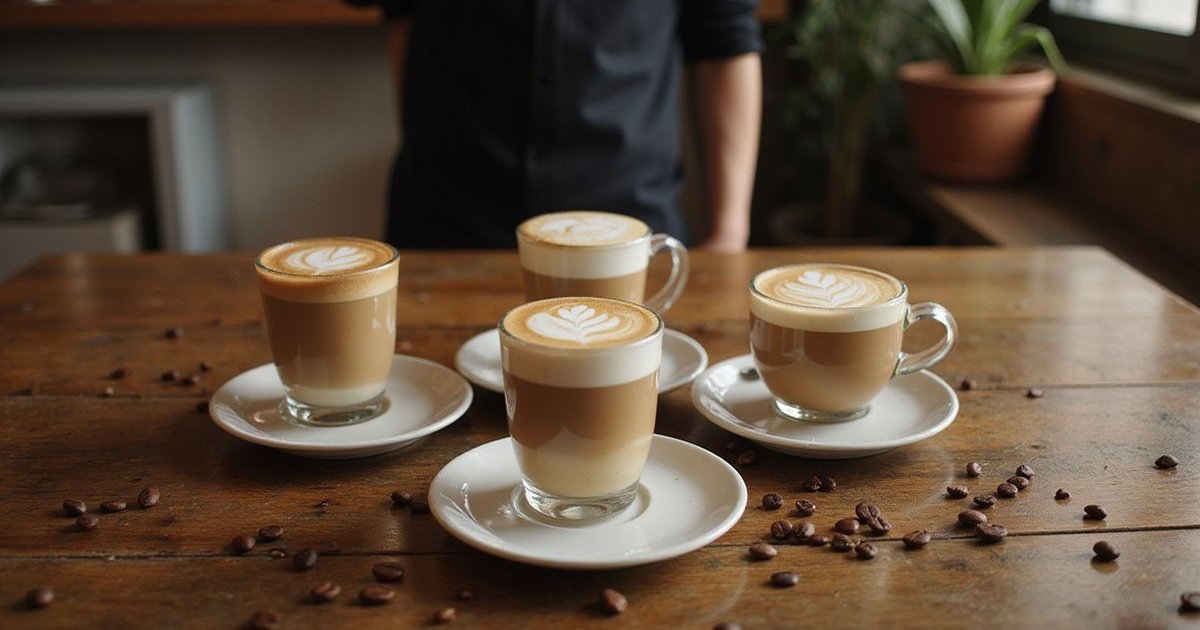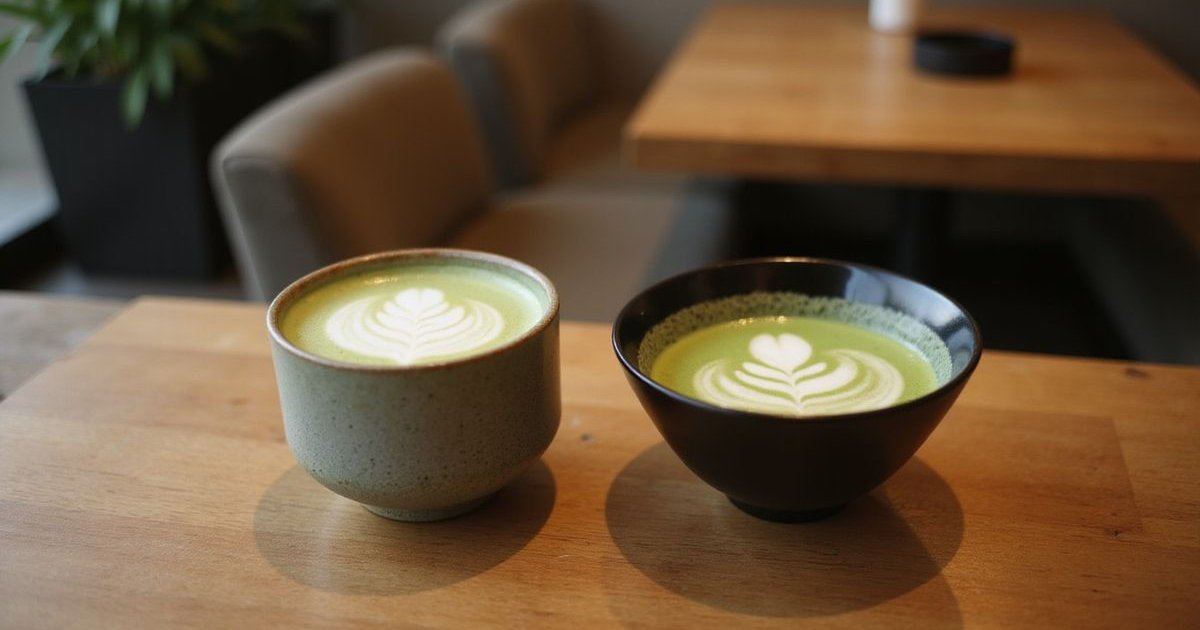
Matcha has taken the cafe scene by storm, and for good reason. This vibrant green powder offers a unique flavor profile, a gentle caffeine boost, and numerous health benefits. When you look at a menu, you might see “Matcha” and “Matcha Latte” listed separately.
Matcha Latte vs Regular Matcha: What is the real difference?
We get this question constantly at our counter.
Deciding between the two depends entirely on your taste preferences and health goals.
Let’s break it down.
What is Matcha?
Matcha is a type of green tea made from specially grown and processed tea leaves.
Regular green tea involves steeping leaves in hot water and discarding them.
Matcha requires you to consume the entire leaf in powdered form.
This difference explains why one cup of matcha equals the antioxidant content of roughly 10 cups of brewed green tea.
How Matcha is Made
The production process is incredibly specific.
- Shade growing: Farmers cover tea plants for 20-30 days before harvest. This boosts chlorophyll and increases L-theanine levels.
- Hand picking: Harvesters select only the youngest, finest leaves from the top of the plant.
- Steaming: Farmers steam the leaves within hours of picking to stop oxidation and lock in the emerald green color.
- Drying and deveining: Processors dry the leaves and remove all stems and veins.
- Stone grinding: Granite stone mills grind the leaves into a talc-fine powder.
A single stone mill grinds only about 30 grams of matcha powder per hour.
This slow, careful process is why quality matcha can be quite expensive.
It also explains the massive price gap between the ceremonial grade we use and standard culinary options.
Traditional Matcha (Koicha and Usucha)
In Japanese tea ceremonies, hosts prepare matcha in two distinct ways.
Koicha (Thick Tea)
- Ratio: Uses approximately 3.75g of matcha to 40ml of water.
- Texture: Very thick, resembling warm honey or melted chocolate.
- Flavor: Intense, savory, and devoid of bitterness if high-quality tea is used.
- Grade: Made strictly with the highest grade matcha from older tea trees (30+ years).
- Serving: Typically shared from a single bowl among guests.
Usucha (Thin Tea)
- Ratio: Uses about 1.5g of matcha to 70ml of water.
- Texture: Lighter with a layer of fine froth on top.
- Flavor: Balanced bitterness with a sweet aftertaste.
- Perception: What most people visualize when they order “hot matcha.”
- Serving: Prepared individually for each guest.
Traditional preparation:
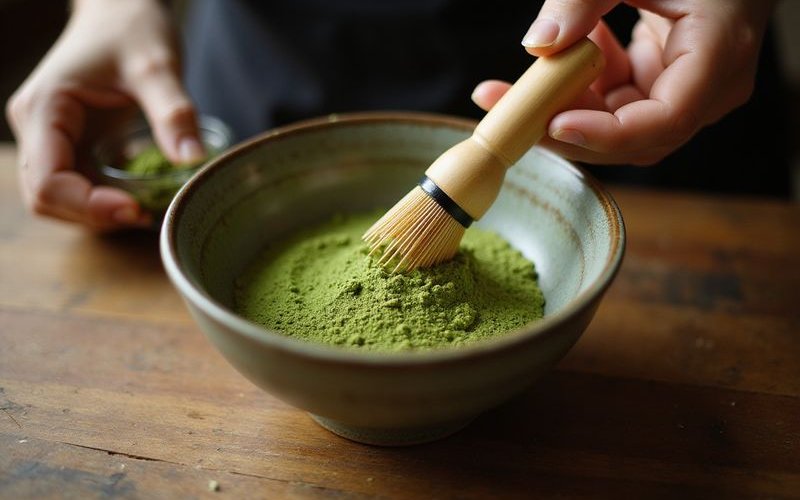
- Sift 1-2 teaspoons of matcha into a bowl to remove electrostatic clumps.
- Add a small amount of hot water. The ideal temperature is 80°C (176°F).
- Whisk vigorously with a bamboo whisk (chasen) using a “W” or “M” motion.
- Continue until a dense, micro-foam layer appears.
Matcha Latte: The Modern Twist
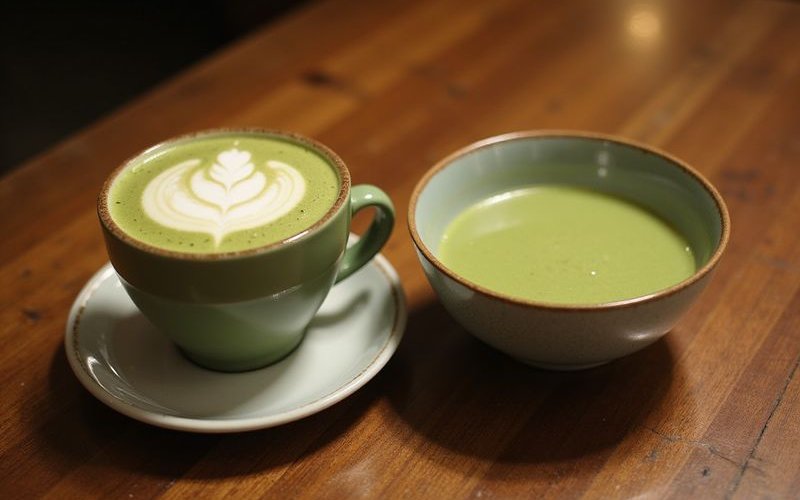
A matcha latte is essentially a shot of concentrated matcha combined with steamed milk.
This Western adaptation makes the grassy flavor accessible to those who find traditional tea too intense.
Think of it as the “cappuccino” of the tea world.
Standard matcha latte preparation:
- Whisk matcha with a small amount of hot water (approx. 60ml) to create a concentrate.
- Steam milk (dairy or plant-based) to 60-65°C.
- Pour the milk over the matcha base and often add sweetener.
At Bubbs & Bites, we hand-whisk every matcha latte using ceremonial grade matcha.
This extra step ensures you get the full matcha experience rather than just green-colored milk.
Other cafes often use pre-sweetened powder mixes that contain more sugar than actual tea.
Key Differences
The nutritional profile changes drastically once you add milk and sugar.
| Aspect | Traditional Matcha | Matcha Latte |
|---|---|---|
| Ingredients | 100% Green Tea Powder + Water | Matcha + Milk (Dairy/Oat/Soy) + Sweetener |
| Taste | Grassy, savory (umami), clean | Creamy, milky, sweet |
| Caffeine Impact | Sharp, direct focus | Slower absorption due to fat/protein |
| Calories (12oz) | ~3-5 calories | ~180-260 calories (depending on milk) |
| Preparation | Requires bamboo whisk technique | Forgiving; easy to blend |
| Best For | Purists, calorie counters | Comfort seekers, breakfast replacement |
Flavor Profiles
Understanding these notes helps you manage your expectations.
Traditional Matcha Tastes Like:
- Vegetal: Reminiscent of fresh spinach, seaweed, or steamed edamame.
- Umami: A savory, broth-like richness caused by high amino acid content.
- Sweet undertones: A subtle, lingering sweetness that follows the initial sip.
- Slightly bitter: A pleasant astringency, similar to dark chocolate or red wine.
Matcha Latte Tastes Like:
- Creamy: The fat in the milk coats the tongue and rounds off any sharp edges.
- Sweeter: Lactose (milk sugar) adds natural sweetness even without added syrup.
- Milder: The milk dilutes the vegetal notes significantly.
- Dessert-like: Often tastes closer to matcha ice cream than tea.
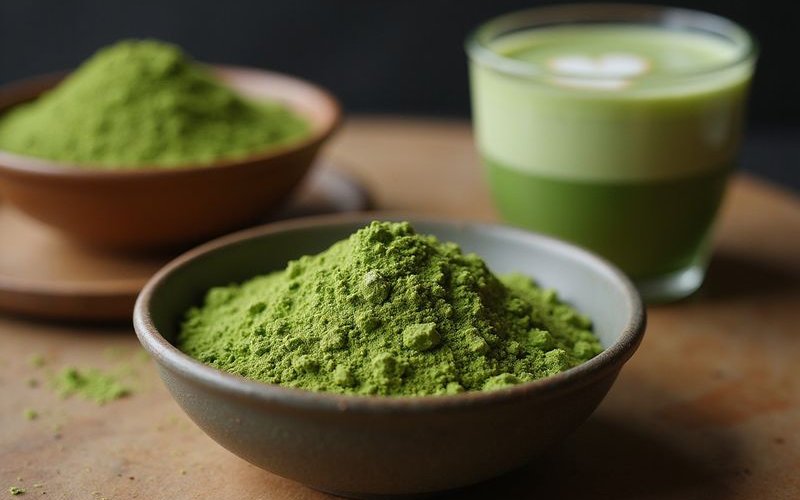
Health Benefits
Both drinks offer value.
Traditional matcha simply provides a more potent delivery system.
Shared Benefits:
- L-theanine: An amino acid that promotes calm alertness. It counteracts the jitters usually associated with caffeine.
- Antioxidants: High levels of Epigallocatechin Gallate (EGCG), known for fighting cell damage.
- Metabolism support: Studies suggest green tea extract can increase calorie burning by up to 17% during exercise.
- Chlorophyll: Acts as a natural detoxifier for the body.
Traditional Matcha Advantage:
- Zero Sugar: No insulin spike.
- Maximum Absorption: Catechins (antioxidants) may be absorbed better without milk proteins binding to them.
- Full Fiber: You consume the whole plant fiber.
Matcha Latte Advantage:
- Satiety: The protein and fat in the milk make it a filling snack.
- Bone Health: Dairy provides calcium and Vitamin D.
- Sustained Energy: The fat content slows digestion. This extends the energy boost over a longer period.
Which Should You Choose?
Your choice depends on your specific needs for the day.
Choose Traditional Matcha if:
- You want to experience the true “umami” flavor of the leaf.
- You need a zero-calorie beverage that won’t break your fast.
- You want the highest possible concentration of antioxidants.
- You enjoy the ritualistic, meditative aspect of whisking tea.
Choose Matcha Latte if:
- You are looking for a comforting, warm beverage to sip while working.
- You find pure green tea too “seaweed-like” or bitter.
- You need a drink that serves as a light breakfast or afternoon snack.
- You typically enjoy lattes or cappuccinos.
Quality Matters
The quality of the powder determines the drink’s flavor more than any other factor.
Cheap matcha often comes from the lower leaves of the tea plant.
These leaves have been exposed to more sunlight, which changes L-theanine into tannins.
Tannins create a harsh, astringent bitterness that makes the tea undrinkable without heavy sugar.
Signs of quality matcha:
- Electric Green: Look for a vibrant, neon green color. Dull, olive, or brownish powders indicate oxidation or low quality.
- Origin: The best matcha typically comes from Uji (Kyoto), Nishio, or Kagoshima in Japan.
- Texture: It should feel like eye shadow or cornstarch, not grainy sand.
- Aroma: The smell should be sweet and grassy, never stale or hay-like.
At Bubbs & Bites, we use ceremonial grade matcha for all our drinks.
We source directly from trusted Japanese suppliers to ensure that vibrant color and smooth taste.
Customers appreciate that our hand-whisked matcha latte doesn’t need excessive sugar to taste good.
Our Matcha Menu
We have curated options for both purists and latte lovers.
Visit us to try:
- Hand-Whisked Matcha Latte (RM 14): Our signature drink. We whisk ceremonial grade matcha to order and pour it over perfectly textured milk.
- Strawberry Oatmilk Matcha (RM 15): A local favorite. We layer house-made strawberry puree with oat milk and top it with a matcha shot.
- Iced Matcha: Pure matcha whisked with water and served over ice. This is the ultimate refresher for Malaysia’s hot afternoons.
“Matcha latte is hand whisked. Absolutely delicious!” - DENISE YAP, Google Review
Try Making It at Home
You can easily replicate this experience in your own kitchen.
Simple Matcha Latte Recipe:
- Sift 1 tsp of matcha into a wide mug. Sifting is crucial to prevent bitter lumps of dry powder.
- Add 2 tbsp of hot water (80°C). Never use boiling water, as it scorches the delicate leaves.
- Whisk vigorously in a “W” motion until a thick froth forms.
- Heat 200ml of your preferred milk.
- Pour the milk into the matcha base.
- Add honey or sugar syrup if desired.
Pro tip: Use a handheld electric frother if you don’t own a bamboo whisk.
The goal is to fully suspend the powder in the water before the milk touches it.
Ready to try the difference yourself? Visit Bubbs & Bites at Dataran Sunway, Kota Damansara. We’re happy to make recommendations based on your preferences. Open daily 8AM-7PM (closed Wednesdays).